
Security screen doors are one of those upgrades that can feel “optional” until you’ve lived without one.
They help you keep the place open for airflow, deliveries, kids, pets, and everyday movement, without feeling like you’re advertising an easy entry point.
But the buying process can get messy fast.
Between mesh types, lock options, and wildly different quotes, it’s easy to spend more than you need to, or pick something that looks fine but doesn’t last in Australian conditions.
This guide explains what actually matters, what usually drives cost, and how to choose a door that’s secure, sensible, and suited to real life.
What a security screen door does (and doesn’t do)
A security screen door is meant to slow and discourage forced entry while letting air and light through.
The “security” comes from the whole system working together: frame strength, mesh type, locks, hinges, and how it’s fixed into the opening.
It won’t replace basics like locking up properly, using sensor lighting, or securing side access.
But it can make an opportunistic attempt harder, noisier, and less appealing.
And for many Australians, the day-to-day comfort is the real win: you can get a breeze without feeling exposed.
Why prices vary so much
Two doors can look similar online and still be priced very differently once they’re specified and installed.
Costs are usually driven by:
Mesh material (aluminium vs stainless steel)
Frame thickness and build quality
Locking system (single-point vs multi-point)
Door format (hinged, sliding, double)
Site conditions (old frames, uneven openings, brick vs timber)
Finish and hardware quality
Compliance needs (including bushfire-prone areas)
Pay for strength and fit.
Be picky about locks.
Skip “nice-to-have” extras if the core build isn’t solid.
Mesh choices: Aluminium vs stainless steel
Mesh is one of the biggest decisions because it affects security and how the door holds up over time.
Aluminium mesh (often the more affordable route)
Aluminium mesh options tend to be more budget-friendly and can suit low-to-moderate risk settings, especially when the rest of the door is well built.
They’re also lighter, which can be a plus for some door formats.
Where aluminium can struggle is in harsh environments and heavy daily use. Coastal salt air, gritty dust, and constant opening/closing can expose weak points faster.
Stainless steel mesh (typically stronger and longer-wearing)
Stainless steel mesh is commonly chosen for higher security needs and longer service life.
It’s generally more resistant to cutting and impact than basic mesh types, and it’s often the pick for owners who want a “buy once, install once” outcome.
It can cost more upfront, but the lifespan and confidence can be worth it.
Frame and hinges: The part you can’t fix later
People understandably focus on mesh, but the frame and hinge system is what stops the door from flexing, sagging, or rattling over time.
Look for:
A frame that feels rigid (not light or bendy)
Strong corner joins and tidy construction
Hinges suited to the door weight
Consistent alignment so it closes cleanly every time
A security door should shut firmly and predictably.
If it scrapes, sticks, or needs a shove to latch, that’s not “just how doors are”. It’s a sign that something isn’t right.
Locks: What to look for in plain English
You don’t need to know every lock term to buy well.
You just need to focus on strength, usability, and how the lock interacts with the frame.
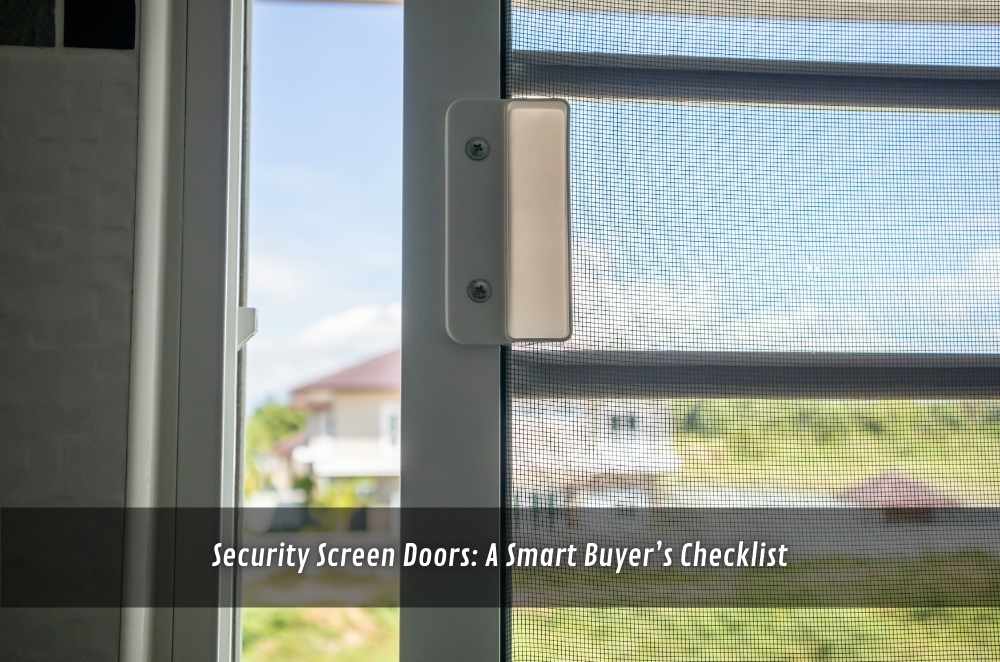
Single-point locks can suit many homes when the frame and installation are strong.
Multi-point locks spread locking force across the door and frame, which can reduce flex and improve resistance.
For commercial settings, where the entry might be used all day, higher-duty hardware often makes sense.
Also, if the lock is annoying, people stop using it properly.
A good lock should feel smooth, not fiddly.
Installation: The make-or-break factor
Installation is where “good product” becomes “good outcome”.
A strong door installed poorly can still leave gaps, weak fixing points, and alignment issues that shorten its life and reduce security.
A proper installer will check the opening and plan around real-world conditions, including:
Out-of-square frames (common in older properties)
The wall type and fixing method (brick, timber, rendered surfaces)
Clearances, seals, and latch alignment
Hardware tension and hinge support
If you’re comparing quotes, ask what’s included for prep work.
A cheaper quote can sometimes mean corners are being cut on the bits you don’t see.
Bushfire-prone areas: BAL considerations
In many parts of Australia, bushfire requirements are part of building decisions, not an afterthought.
If your property is in a bushfire-prone zone, you may have a BAL (Bushfire Attack Level) requirement that influences what products are suitable.
Don’t guess this one.
If BAL applies, bring it up before ordering so the mesh, seals, and system selection are appropriate.
The affordable sweet spot: what to prioritise
If your goal is “affordable” without ending up with a flimsy door, prioritise in this order:
Correct fit and solid installation
Frame strength and hinge quality
Lock reliability and daily usability
Mesh type suited to your environment
Finish that matches your property
If you want to sanity-check what’s common across different configurations, it can help to browse a range of affordable and premium security doors guide and compare hinged, sliding, and commercial setups side by side.
Australian SMB mini-walkthrough: Busy entry, real wear
Picture a small physio clinic with a street-facing entry and staff moving through it all day.
Start with the busiest doorway, not the back one you rarely use.
Choose hardware built for constant opening and closing.
Pick a lock that staff will actually use every single time.
If the entry is tight, consider a sliding format to avoid clearance issues.
Ask how they’ll handle older frames or uneven brickwork.
Set a simple maintenance routine (rinse, check screws, keep locks smooth).
That approach avoids the common mistake: a “light residential” door on a high-traffic commercial entry.
Operator experience moment: The small things that matter
After you’ve seen a few doors installed (and seen how they age), the patterns are pretty clear. The best doors don’t just look secure — they feel solid when they close, with no rattle and no drama. The ones that cause trouble usually start with tiny alignment issues that get worse over time, especially in heat and heavy daily use.
Sliding vs hinged vs double doors
Choose the format that suits the opening and how people move through it.
Hinged doors
Great for standard front and back entries, assuming you have space for the swing.
Sliding doors
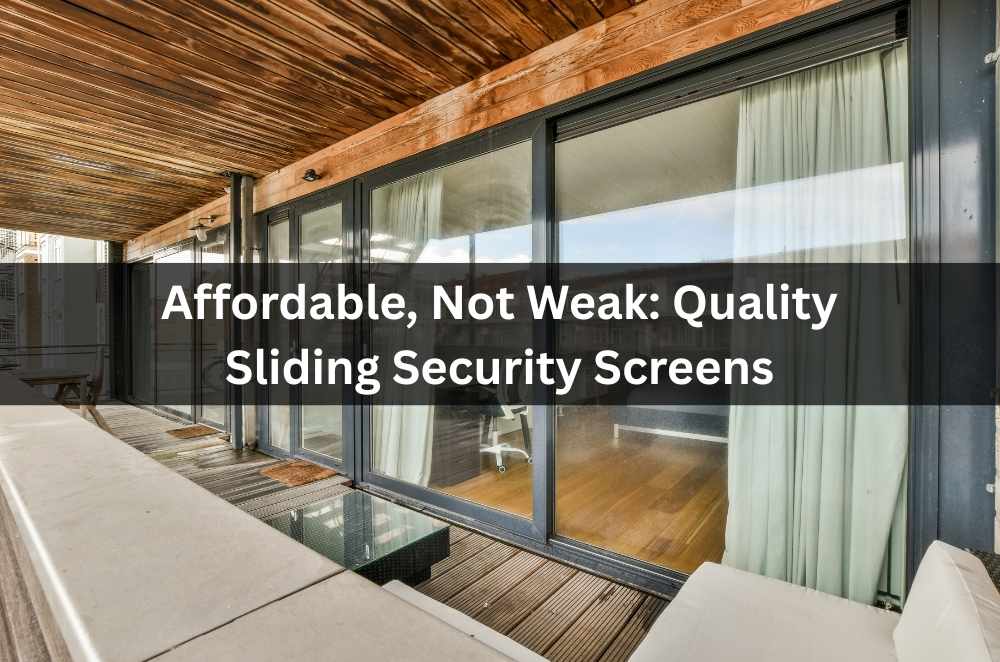
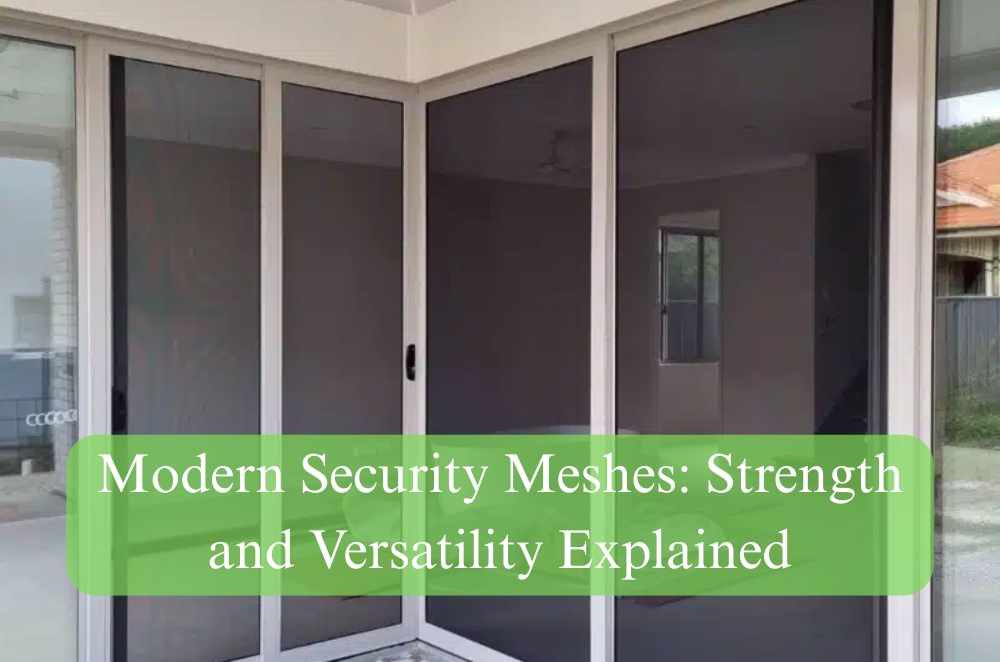
A practical choice for patios, glass sliders, and tighter commercial entries. Clean tracks and good alignment matter here.
Double doors
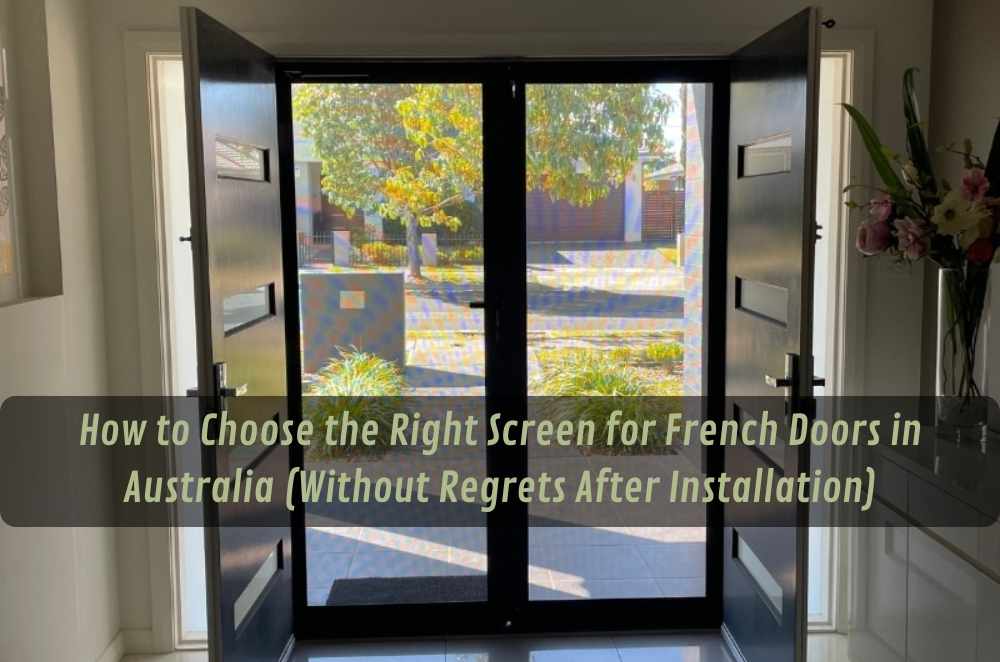
Useful for wide openings and some shopfronts, but they rely on strong hardware and consistent alignment to stay tidy.
If the door fights the way people naturally enter and exit, it won’t be used properly.
Maintenance: Simple beats perfect
Security doors don’t need constant attention, but they do like basic care.
Rinse off dust and salt with fresh water (more often near the coast)
Keep sliding tracks clear of grit
Check hinges, screws, and latch alignment now and then
Keep locks operating smoothly (use appropriate lubrication if recommended)
A few minutes now saves repairs later.
Quote comparison questions that actually help
When you’re comparing quotes, these questions cut through the fluff:
What mesh material is included, and why does it suit my location?
What lock system is included, and what changes if I upgrade?
How will the door be fixed into this opening and wall type?
Is this build intended for high-traffic use or occasional residential use?
What maintenance do you recommend for coastal, dusty, or exposed sites?
Clear answers usually signal a better outcome.
Key Takeaways
Strong installation and correct fit matter as much as the door itself.
Choose mesh and hardware based on your environment and daily use, not just price.
A lock that’s smooth and practical gets used properly (and that’s half the battle).
For commercial entries, prioritise higher-duty hinges and hardware from the start.
Basic maintenance (especially near the coast) helps doors last longer and feel better.
Common questions we hear from Australian businesses
How do we balance the budget and security without guessing?
Usually, you match the door to the real wear and the real risk. Spend more on the busiest entry, and keep secondary doors simpler if appropriate. A practical next step is to ask for two quote options that change only one variable (for example, mesh type or lock type) so you can see what you’re paying for.
What’s a realistic timeline from measure to install?
It depends on whether it’s a standard size or a custom fit, plus local workload and any special finishes. In most cases, delays come from custom configurations or older openings that need extra prep. Next step: ask what specifically causes longer lead times in your area, especially if you’re outside a major metro.
Are security screens still worth it if we already have cameras?
In most cases, yes. Cameras record, but screens provide physical slow access and can reduce opportunistic attempts. Next step: start with the most exposed doorway (street-facing, low visibility, or regular after-hours access) and upgrade that one first.
What should we check to know if a sliding security door will work?
Usually, you need the opening width/height, track space, and whether the frame is square enough for smooth movement. Sliding doors also need a stable, clean track area to avoid constant jamming. Next step: take basic measurements and photos, then ask the installer what prep is needed for your building type (older bricks and shifting frames are common in Australia).



Write a comment ...