
“Modern security screen door” can mean almost anything now. In one showroom it’s a sleek, barely-there mesh you notice only when the light hits it. In another, it’s a heavy frame with industrial hardware that looks ready for a warehouse.
The tricky part is that both can be described as “security”, and both can look impressive in a catalogue. The real difference shows up later: on a hot day when you want airflow but still want the place locked up; on a windy evening when a door starts to rattle; six months in, when salt air (or just Sydney’s general exposure to sun and weather) begins to tell you whether the finish and fittings were chosen for looks or longevity.
What follows is a practical way to think about modern security screen door solutions, less about buzzwords, more about the decisions that change how a door performs and feels over time.
What “security” actually looks like in the real world
A security screen door isn’t meant to make entry impossible. It’s meant to make forced entry difficult, noisy, and time-consuming, often enough that opportunistic attempts stop before they start.
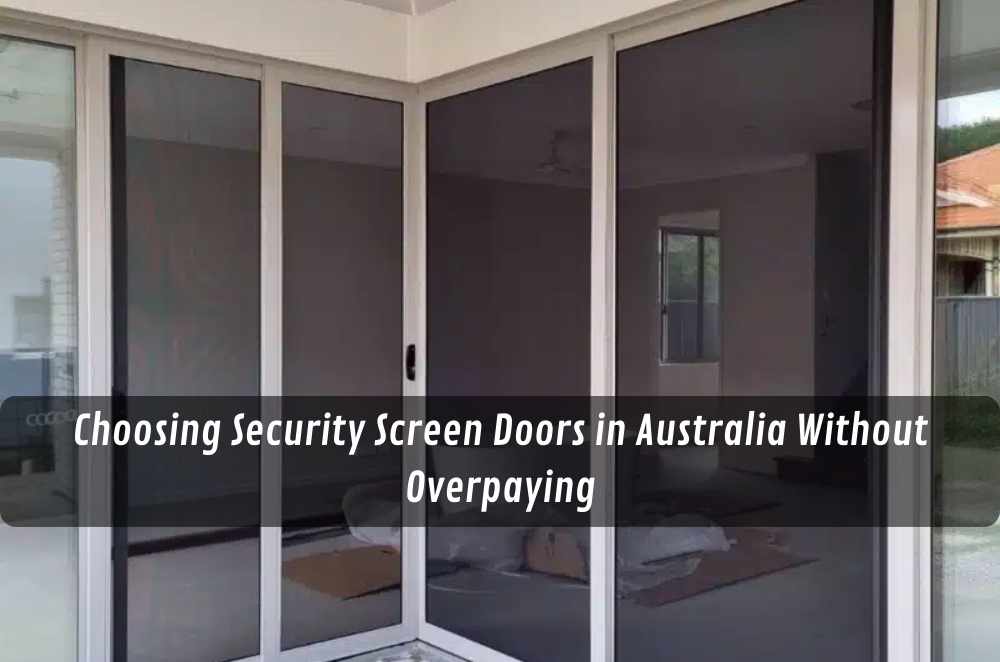
That’s why it helps to focus on the whole system, not just the mesh. A strong mesh in a weak frame, or a sturdy frame paired with light-duty locks, can still leave you with the same weak points. When people talk about “modern” security doors, they’re often describing improvements across the system: better corner joins, stronger retention methods for the mesh, more robust hinges, and locks that don’t feel like they belong on a cupboard.
If you’re comparing options in Sydney, you’ll usually get a clearer picture by asking how the door is built and installed, how it resists being pried, how the mesh is fixed in place, how the lock engages, than by relying on labels like “premium” or “heavy duty”.
Mesh choices: not just a material, but a finish and a maintenance plan
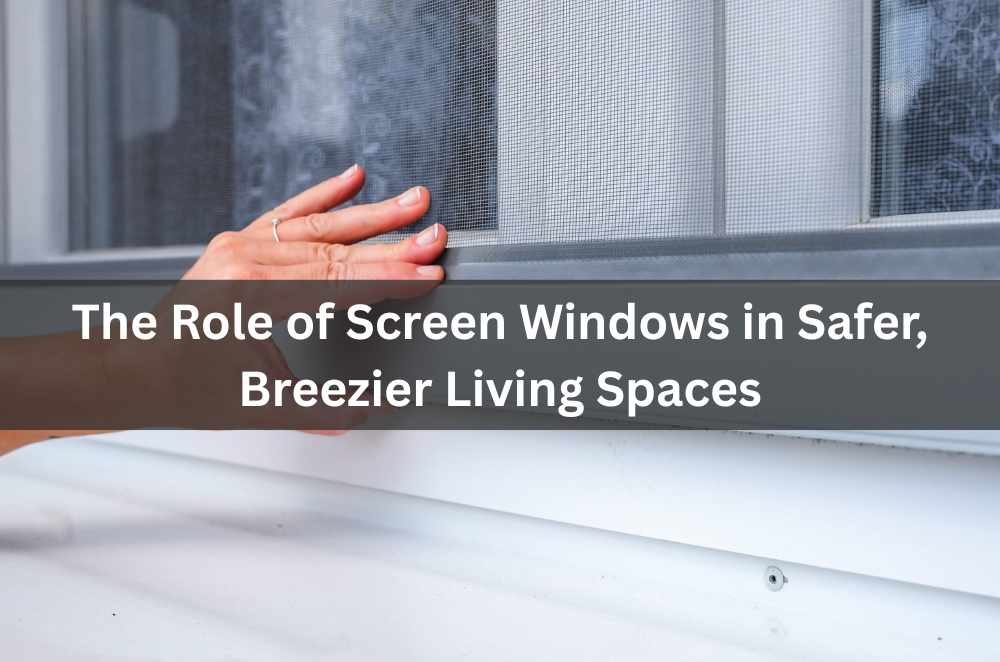
Mesh is the first thing you see, and it’s where many buyers start. But mesh also sets expectations about visibility, airflow, and how much attention the door will need.
In broad terms, modern security screens tend to sit on a spectrum:
Maximum clarity and airflow (the door almost disappears until you’re close)
Maximum strength and rigidity (the door feels unmistakably substantial)
There are plenty of products that aim for both, but the details matter. Stainless steel meshes are often chosen for strength and corrosion resistance, which can be a meaningful advantage if you’re near the coast or if the door is exposed to weather. At the same time, “corrosion resistant” doesn’t mean “maintenance free”. In salty or dusty environments, most materials benefit from periodic washing, nothing dramatic, just the sort of care that keeps the surface looking the way it did on day one.
The other piece people sometimes miss is the finish: the mesh may be one thing, but the frame coating and hardware finish can be another. If you want the door to keep its look, the long game is about how all those surfaces age together.
The frame and the joins: where modern doors quietly improve
If the mesh is the headline, the frame is the infrastructure. In day-to-day use, it’s the frame that determines whether a door stays square, closes cleanly, and resists the “give” you feel when you pull on it.
Modern systems often put more attention into:
Corner construction (how the frame is joined and reinforced)
Rigidity across the span (especially on wider doors)
How the mesh is retained (whether it’s clamped, pressed, fixed, or otherwise secured)
That last point, mesh retention, doesn’t get much glamour, but it’s one of the biggest separators between doors that merely look tough and doors that are engineered to behave like security products. Two screens can use similar-looking mesh, yet perform very differently depending on how the mesh is anchored inside the frame.
If you’re ever unsure what to compare, compare this: what happens at the edges? The edge is where prying, levering, and flexing forces tend to concentrate.
Hardware is where you’ll feel the difference every single day
A lot of doors are sold on what you can see from the street. But what you touch matters just as much. A “modern solution” should feel calm and controlled in the hand: steady hinges, a latch that clicks with confidence, a lock that engages smoothly without needing a shoulder bump.
If you want a quick, practical test when you’re inspecting options:
Open and close the door a few times in a row.
Pay attention to whether it swings or slides without scraping.
Notice how much force it takes to latch.
Listen for rattles or metal-on-metal noises.
Tiny annoyances add up. A door that’s awkward to use becomes the door that’s left ajar “just for a minute” far too often. And that’s not a security problem on paper, it’s a security problem in real life.
Choosing the right door type for Sydney layouts
Sydney homes are diverse: terraces with narrow entries, apartment sliders opening to balconies, family homes with busy back doors that act as the real front door. The best security screen door solution is usually the one that matches the architecture and traffic patterns of the household.
Hinged doors tend to suit traditional entries and spaces where there’s room to swing. They can feel solid and straightforward, and they’re often the easiest to live with when you’re carrying groceries or moving through the house quickly.
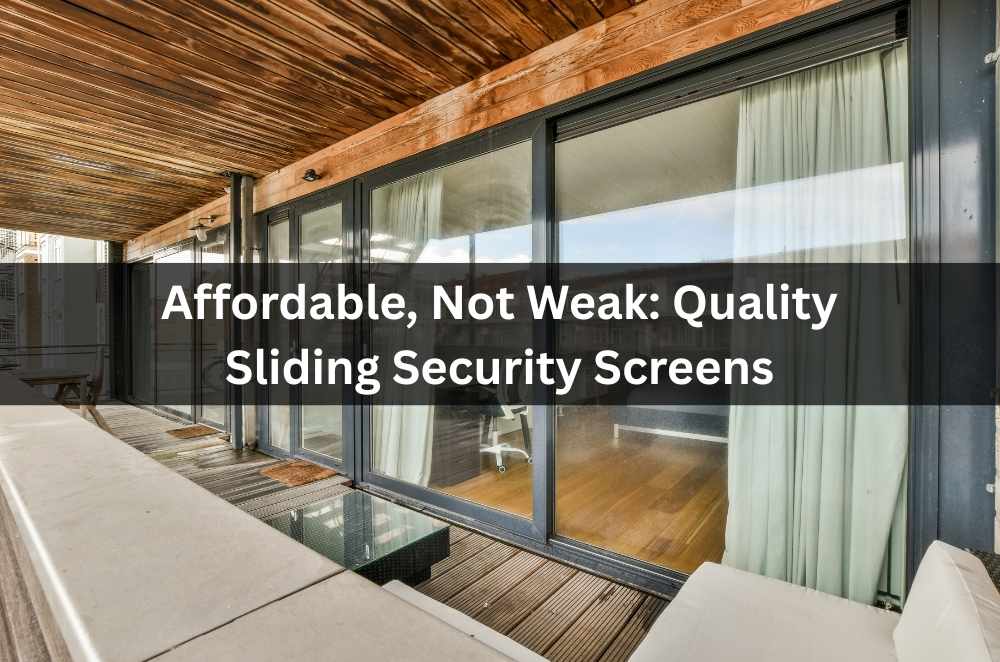
Sliding security doors are common for patios and balconies. They’re great when space is tight, but they rely heavily on good alignment and quality tracks. A slider that drags is a daily frustration; a slider that doesn’t close cleanly is a security compromise.
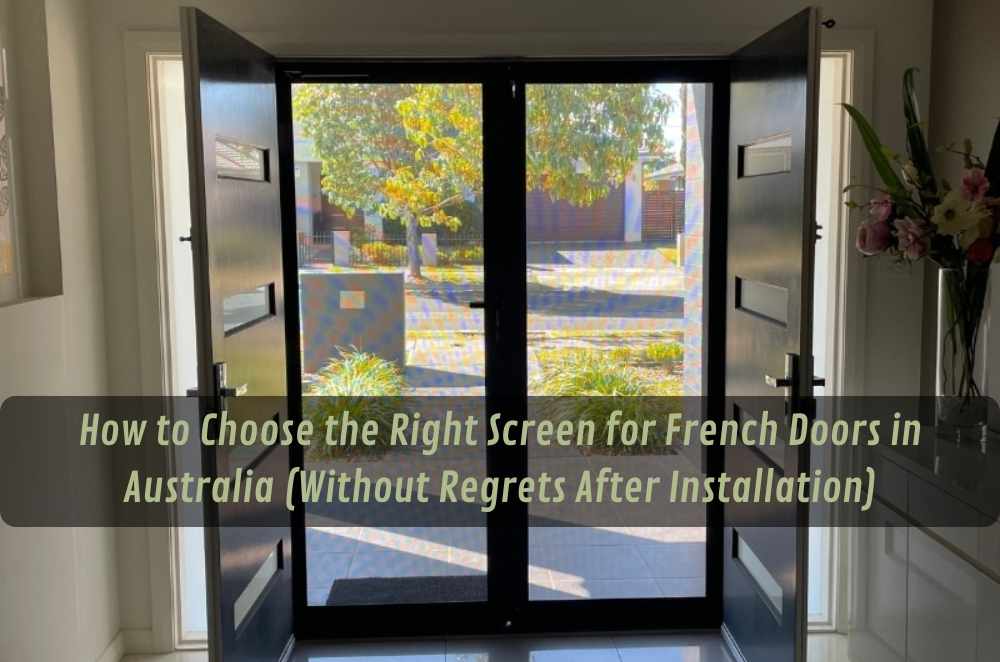
Double, French, or wider-opening configurations can suit entertaining areas, but they place more demand on rigidity and precise installation. With wider spans, small issues in squareness or fit can become big issues.
The point isn’t that one type is “best”. It’s that modern solutions include better options for different openings, so you can choose based on how your home works, not just what’s easiest to install.
Sydney conditions: sun, salt, and the “quiet” wear-and-tear
In Sydney, many households want to leave doors closed for security but still keep the place ventilated. Security screens make that possible, provided the door doesn’t become a maintenance headache.
Local conditions that commonly shape performance:
UV and heat: finishes fade, seals dry, and hardware can loosen over time if it isn’t up to the exposure.
Coastal air: salt can be hard on metal surfaces, especially if the door isn’t rinsed occasionally.
Wind and pressure changes: doors that aren’t fitted well may rattle or shift, which can wear tracks and latches faster.
This is where “modern” can be less about appearance and more about long-term tolerance: how the door holds its alignment, how hardware resists corrosion, and whether the door still closes like it did when it was first installed.
Bushfire zones and ember concerns: when screening does double duty
Not every Sydney address sits near bushland, but enough homes do that it’s worth mentioning: some security screen systems are also discussed in the context of ember protection and higher-exposure environments.
If bushfire resilience is part of your decision, treat it as its own category of requirements rather than assuming any “tough” screen door will do. Ratings, testing, and the exact door configuration can matter, as can the way the door is installed and sealed at the edges.
In other words: it’s possible for a door to be excellent as a security product yet not be the right choice for a specific bushfire exposure setting. That’s a conversation to have early, before you fall in love with a look.
A grounded way to compare “modern security screen door solutions”
You don’t need to become a materials engineer to make a good decision. You just need a method that keeps you focused on outcomes.
As you narrow your shortlist, try to get clear on:
What problem you’re solving first: security, airflow, durability near the coast, family usability, or a mix.
How the door is built at stress points: corners, lock area, hinge or track mounts.
How the mesh is held in place: not just “what mesh”, but “how it’s retained”.
What you’ll need to do to keep it looking good: a realistic maintenance rhythm for your location.
Whether the door type suits the way you actually move through the home.
If you want a simple reference point for typical configurations and what they’re designed to do, you can browse an overview of security screen door options.
The modern benchmark: strong, usable, and still pleasant to live with
The best modern security screen door solutions don’t ask you to choose between safety and liveability. They’re designed so you can lock up without shutting your home down, light, airflow, and day-to-day convenience included.
And in a place like Sydney, “modern” also means the door keeps doing its job quietly: still square, still smooth, still dependable, long after the novelty of the installation has worn off.
Key Takeaways
“Modern” security screen doors are best judged as a system: mesh, frame, retention method, hardware, and installation quality.
Mesh material matters, but so do coatings and finishes, especially in sun and coastal air.
The everyday experience (latch feel, smooth closing, reduced rattling) often predicts whether a door will be used properly.
Sliding, hinged, and wider-opening designs each suit different Sydney layouts; the “right” choice depends on space and traffic.
If bushfire exposure is relevant, treat ember and exposure considerations as separate requirements, and verify suitability for your situation.



Write a comment ...